How Solar Panels Affect Your Roof in Colorado
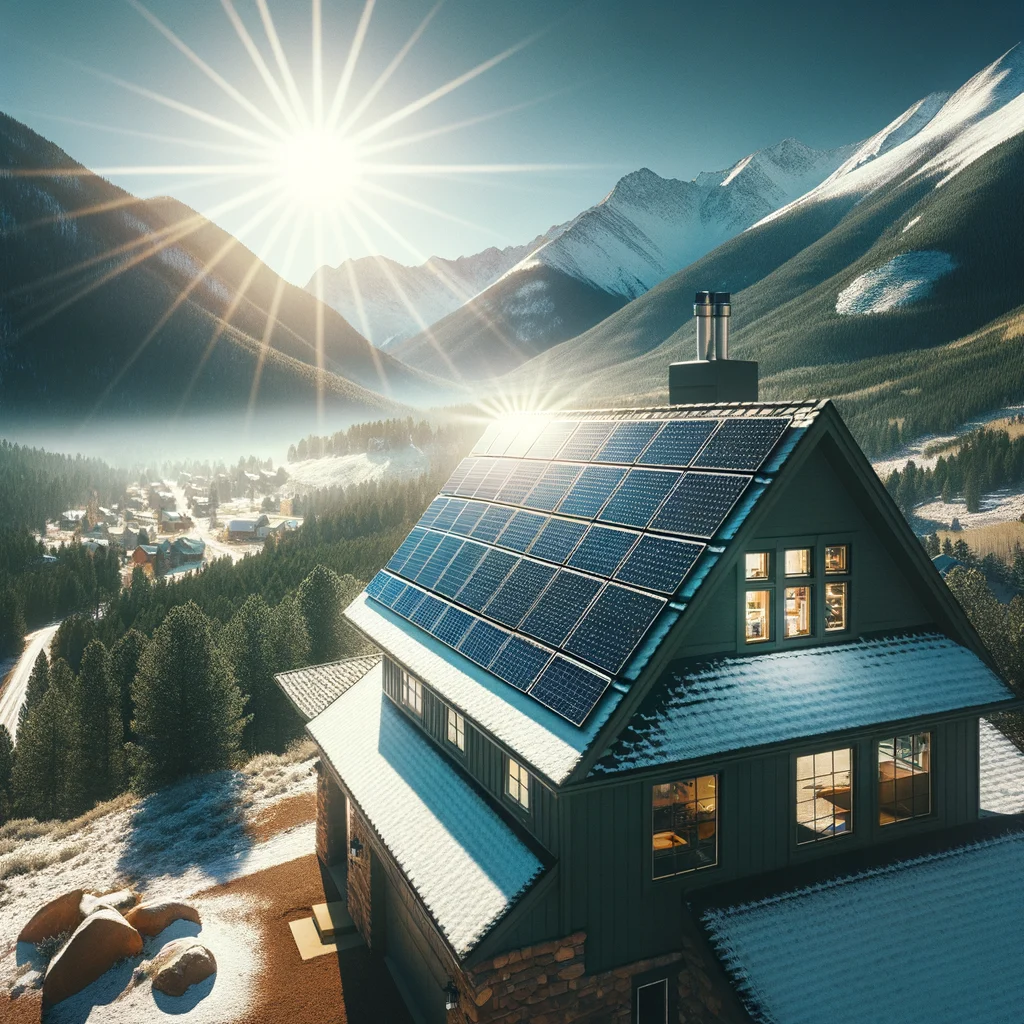
Choosing solar for your Colorado home is a smart move. You get clean energy, potential savings on your electric bill, and more independence from the grid. At the same time, your roof has to work harder than ever. It supports heavy solar equipment, new penetrations for mounting hardware, plus our state’s mix of intense sunshine, hail, snow, wind, and high elevation.
At Apex Roofing USA, we talk with a lot of homeowners who are excited about solar but also worried about what it might do to their roof. Will the extra weight cause problems. What about leaks. Will hail or heavy snow impact the panels and the shingles underneath. These are important questions, and we want you to have clear, local answers based on real Colorado conditions.
On https://apexroofingusa.com, and out in the field across the Front Range and mountain communities, our focus is helping Colorado homeowners protect their roofs before and after solar installation. When roofing and solar are planned together, your home can stay safer, drier, and more efficient for many years.
TL;DR
- Solar panels can protect parts of your roof from UV and hail, but only if the roof is in good condition and the racking is installed correctly.
- A thorough roofing inspection before going solar helps prevent leaks, sagging, and premature roof replacement. It also extends the lifespan of your roof in Colorado’s harsh climate.
- Apex Roofing USA coordinates with solar installers, verifies your roof is solar ready, and handles any repairs, upgrades, or replacements needed to support a long lasting solar system.
Understanding How Solar Panels Affect Your Roof in Colorado
When we talk about how solar panels affect your roof in Colorado, we are really talking about a few key things. Structural load, waterproofing, and long term performance in a climate that swings from blizzards to 95 degree sunshine and frequent hailstorms.
Most modern roofs in Colorado can support a properly designed solar system without trouble. Solar panels are not as heavy as many people think, but the weight is concentrated at attachment points. Mounting hardware is screwed into your roof deck or rafters, and those penetrations must be flashed and sealed correctly so melting snow, wind driven rain, and spring storms do not find a way inside.
Our higher altitude means stronger UV exposure and more rapid aging of many roofing materials, especially older asphalt shingles. Once you add solar, some areas of your roof will be shaded by panels while others are exposed. This can create uneven aging if the roofing material underneath the panels is already near the end of its lifespan.
For Colorado homeowners, the practical impact of solar on your roof comes down to three questions. Is your roof structurally ready. Is it watertight and in good enough condition to outlast the solar panels. Is the solar installer working with a roofing professional like Apex Roofing USA to protect your home over the long term.
- Durability, safety, and performance. Solar panels can shield shingles from UV and hail in some cases, which can actually extend the life of the roof under the panels. However, poor installation can introduce leak points, and added weight combined with heavy snow loads can stress an older roof structure.
- What to evaluate first. Before signing a solar contract, Colorado homeowners should evaluate roof age, current condition, ventilation, attic insulation, and framing strength. If your roof is more than 10 to 15 years old, it often makes sense to repair or replace it before installing solar.
- How Apex Roofing USA helps. Our team provides pre solar roof inspections, documents any issues, and recommends repairs, structural upgrades, or full roof replacement if needed. We also assist with roof reports for solar companies and homeowners, so everyone is on the same page.
Quick Tip
- Before installing solar in Colorado, schedule a professional roof inspection to verify that your roof will outlast your solar panels by at least several years.
- Keep detailed photos and documentation of your roof before and after solar installation. This makes it easier to handle future insurance claims after hail or wind damage.
Step-by-Step Guide for Colorado Homeowners
Here is a straightforward process Colorado homeowners can follow if you are thinking about solar panels, already have them, or are concerned about how they interact with your roof. This guide works whether your main concern is hail, snow, aging shingles, or simply planning ahead.
Step 1: Assess Your Roof Condition
Start with a basic visual check from the ground, a sturdy ladder, or even binoculars. You should never walk on a roof unless you are trained and properly equipped, especially when panels, snow, or ice may be present.
Look for signs that your roof may already be stressed by Colorado weather.
- Curling, cracked, or missing shingles, especially on the south and west facing slopes where sun and wind are strongest.
- Granule loss on asphalt shingles, visible as bald spots or piles of granules in gutters and at downspout exits.
- Uneven roof lines, dips, or sagging areas that could indicate structural issues or long term water damage.
- Damaged flashing around chimneys, vents, skylights, or previously installed solar mounts.
- Inside your home, yellow or brown ceiling spots, peeling paint, or musty odors in the attic after storms or snowmelt.
If you already have solar panels on your roof, pay attention to any changes after big weather events. In Colorado, hailstorms, wind gusts, or heavy wet snow can shift hardware, loosen fasteners, or crack seals. If anything looks different or sounds different during high winds, treat that as a warning sign.
Step 2: Get a Professional Roof Inspection
An expert roof inspection is one of the most important steps you can take when considering solar in Colorado. Our state’s combination of intense UV exposure, strong wind, freeze thaw cycles, and regular hail means small issues can grow quickly.
Apex Roofing USA offers detailed inspections that look at both surface conditions and the underlying structure. We examine the roof deck, shingles or other roofing material, flashing, ventilation, and any existing solar mounting hardware.
For homeowners planning solar installation, we focus on questions like these.
- Will the roof likely last as long as the solar system, typically 20 to 30 years.
- Are there soft spots or rot in the decking that could fail under extra load or snow.
- Does the attic show any signs of moisture, mold, or poor ventilation that might shorten roof life.
- Are there code issues or prior workmanship problems that could complicate solar installation.
For homeowners who already have solar, we check that seals and flashing around mounts are intact, verify there are no gaps where water can enter, and look for movement or damage from hail. Colorado hail can sometimes crack panels but also damage the roof around them, so both should be evaluated.
Step 3: Review Your Options
Once we understand your roof’s condition, we walk you through your options in plain language. In many cases, a roof is in good shape and ready for solar with just routine maintenance or minor repairs. In other cases, we may recommend more significant work so you can avoid problems a few years down the road.
Here are common paths Colorado homeowners take.
- Proceed with solar after minor repairs. If you have a relatively new roof with a few isolated issues, we can repair flashing, replace damaged shingles, or correct ventilation problems so you can move forward confidently.
- Replace the roof before solar installation. If your roof is aging or showing widespread wear, it often makes sense to install a new roof first. This way the roofing and solar systems are aligned in lifespan, and you avoid the cost and hassle of removing panels later for a roof replacement.
- Coordinate insurance work and solar plans. If your roof has hail or wind damage, we help you navigate insurance claims, then coordinate timing with your solar provider so everything is handled efficiently.
During this step, we also talk about material choices. In Colorado, impact resistant shingles, metal roofing, and high quality underlayment can be smart investments if you are adding solar. These choices can reduce damage from hail and weather, which protects your panels and your home.
Step 4: Plan and Schedule the Work
Next comes planning. Apex Roofing USA works closely with you and, if needed, your chosen solar installer to make sure everyone follows a clear timeline. Coordination is especially important in Colorado where weather windows can be short, and you want roofing and solar work completed between snowstorms, afternoon thunderstorms, and wind events.
Here is what you can generally expect during this stage.
- We confirm the scope of roofing work, materials, colors, and any upgrades like better ventilation or impact resistant shingles.
- If solar is being installed, we coordinate with the solar company so that roof work, mounting hardware installation, and panel placement happen in the right order.
- We protect your property by using tarps, magnets, and clean up methods to minimize disruption.
- Our crew keeps you informed each day about progress, any weather delays, and what we are working on next.
Because we know Colorado weather can change quickly, we plan your roofing project with backup options in mind. Our goal is to get your roof ready for solar with as little stress as possible while maintaining quality craftsmanship.
Step 5: Long-Term Maintenance Tips
Once your roof and solar system are in place, a little maintenance goes a long way. Solar panels do not require much day to day attention, but your roof still needs care, especially in Colorado’s variable climate.
- Schedule periodic roof inspections, ideally once a year and after major hail or wind events. This is especially important if you cannot easily see around or under the panels.
- Keep gutters and downspouts clear. Ice dams and overflowing gutters can cause water backup under shingles, especially on roofs with solar where snow may slide in unusual patterns.
- Watch for unusual noises during windstorms, like rattling or tapping near the roof line. This could indicate loose hardware or panels.
- Check inside your attic a few times a year, looking for damp insulation, stains, or frost buildup during winter. Early moisture detection can prevent major repairs later.
- If you ever need roof work after solar is installed, choose a roofing contractor experienced with solar systems and coordinate carefully with your solar company.
Pro Tips from Apex Roofing USA
- Plan roofing and solar projects for the drier seasons when possible, often late spring through early fall in much of Colorado.
- After each major storm, take photos of your roof and solar array from the ground. This visual record is helpful for both roofing assessments and insurance claims.
- Consider impact resistant shingles or metal roofing if you are in a hail prone area. These materials pair well with solar panels and offer better long term protection.
- Keep open communication with your roofing and solar companies. Share inspection reports, installation details, and any concerns so everyone can work together to protect your home.
- Make roof and attic checks part of your seasonal routine. A few minutes in spring and fall can reveal small issues long before they become leaks or structural problems.
Common Roofing Scenarios in Colorado
Every home is a little different, but we see some patterns across Colorado when it comes to solar panels and roofs.
- Scenario 1: Solar on an aging roof. A homeowner adds solar to a roof that is already 15 to 20 years old. Two or three years later, shingles begin to fail and leaks appear during snowmelt. Now the roof must be replaced with active solar panels in place. This is more complex and more expensive than replacing the roof beforehand.
- Scenario 2: Storm damage around mounts. A hail or windstorm hits a Colorado neighborhood. The solar panels survive, but the shingles and flashing around the mounting hardware are bruised or lifted. If this damage goes unchecked, water can enter around the mounts, leading to rot, stains, and structural issues over time.
- Scenario 3: Proactive planning saves money. Another homeowner calls Apex Roofing USA before signing a solar contract. We inspect the roof, recommend an impact resistant replacement, coordinate timing with the solar company, and document everything. Years later, after a major hailstorm, the roof performs well, and the homeowner has clear records to support any insurance evaluation.
Mistakes to Avoid
Solar is a long term investment. Avoiding a few common mistakes can protect both your roof and your financial return.
- Skipping a roofing inspection before solar. Assuming the roof is fine because it is not leaking yet can backfire, especially in Colorado’s harsh climate. Hidden issues often show up after the extra stress of mounts, panels, and snow loads.
- Installing solar on a roof near the end of its life. This can force you to remove and reinstall panels later for roof replacement, which adds cost and complexity.
- Using installers unfamiliar with Colorado conditions. Solar mounting methods must account for local building codes, snow loads, and hail risk. Poor flashing or weak attachment can lead to leaks or storm related failures.
- Ignoring attic ventilation. A roof with panels still needs proper airflow. Poor ventilation can cause overheating, ice dams, and shortened roof life, especially at higher elevations.
- Not coordinating roof and solar warranties. Know who is responsible if a leak occurs near a solar mount, and keep all documentation organized so you are not caught in the middle.
Apex Roofing USA helps Colorado homeowners avoid these pitfalls through clear inspections, detailed reports, and communication with your solar provider. We are here to advocate for your roof and your home throughout the process.
Frequently Asked Questions
How does this roofing issue affect Colorado homes?
Solar panels change how your roof interacts with sun, snow, and hail. In Colorado, panels can shield parts of your roof from UV damage and some hail impact, which may slow aging under the array. However, the added weight, mounting penetrations, and snow sliding patterns can create new stresses. If the roof is not structurally sound or properly waterproofed, small weaknesses can grow into leaks or sagging, especially after heavy snow or freeze thaw cycles.
When should I call a roofing professional?
You should call a roofing professional before signing a solar contract, after any major hail or windstorm, and any time you notice signs of trouble. These signs include interior stains, musty attic smells, loose or missing shingles, or hardware that looks shifted after a storm. Colorado’s weather can turn minor issues into major repairs quickly, so early action is always better.
Can this problem get worse if I ignore it?
Yes. If roof damage around solar mounts or on exposed sections is ignored, Colorado’s repeated snowfalls, rain, and intense sunlight will accelerate deterioration. Water can seep into small gaps and freeze, expanding and widening those gaps. Over time, this can lead to leaks, structural rot, insulation damage, and mold. Addressing problems while they are still small is almost always more affordable and less disruptive.
How much does it typically cost to address this issue?
Costs vary depending on your roof’s age, material, and the extent of any damage. Simple repairs and flashing corrections are generally much more affordable than a full replacement, but an older roof may be better served by replacement before solar installation. In Colorado, hail damage repairs may involve your insurance company, which can offset some costs. Apex Roofing USA can provide a detailed estimate after inspection and help explain what might be covered by insurance, without giving exact numbers until we see your home.
What roofing materials work best in Colorado?
For homes with or without solar, Colorado homeowners often benefit from impact resistant asphalt shingles, high quality metal roofing, or other durable materials rated for hail and strong UV exposure. These materials pair well with solar installations because they resist weather damage and can better support the long system lifespan you expect from solar panels. Proper underlayment, secure fastening, and adequate ventilation are also key parts of a Colorado ready roof.
How do I contact Apex Roofing USA?
Visit ApexRoofingUSA.com or call 303-529-1171 to schedule an inspection or request a quote. Our local team is ready to help you evaluate your roof, plan around solar, and keep your Colorado home protected year round.
Final Thoughts
Solar power and a healthy roof can work together beautifully in Colorado. The key is planning. When you align your roofing decisions with your solar goals, your home benefits from clean energy, long term protection, and better resistance to hail, snow, wind, and intense sunshine.
Apex Roofing USA is proud to support homeowners across Colorado with honest inspections, quality roof repairs, and replacements that are ready for solar. Whether you are just beginning to research solar or you already have panels on your roof, we are here to help you stay ahead of potential issues and protect your investment.
If you are wondering whether your roof is ready for solar, concerned about how existing panels affect your shingles, or simply want a professional opinion tailored to Colorado’s climate, reach out today. Visit https://apexroofingusa.com or call 303-529-1171, and let Apex Roofing USA help you keep your roof and your solar working together for years to come.